Infrastructure Inspection
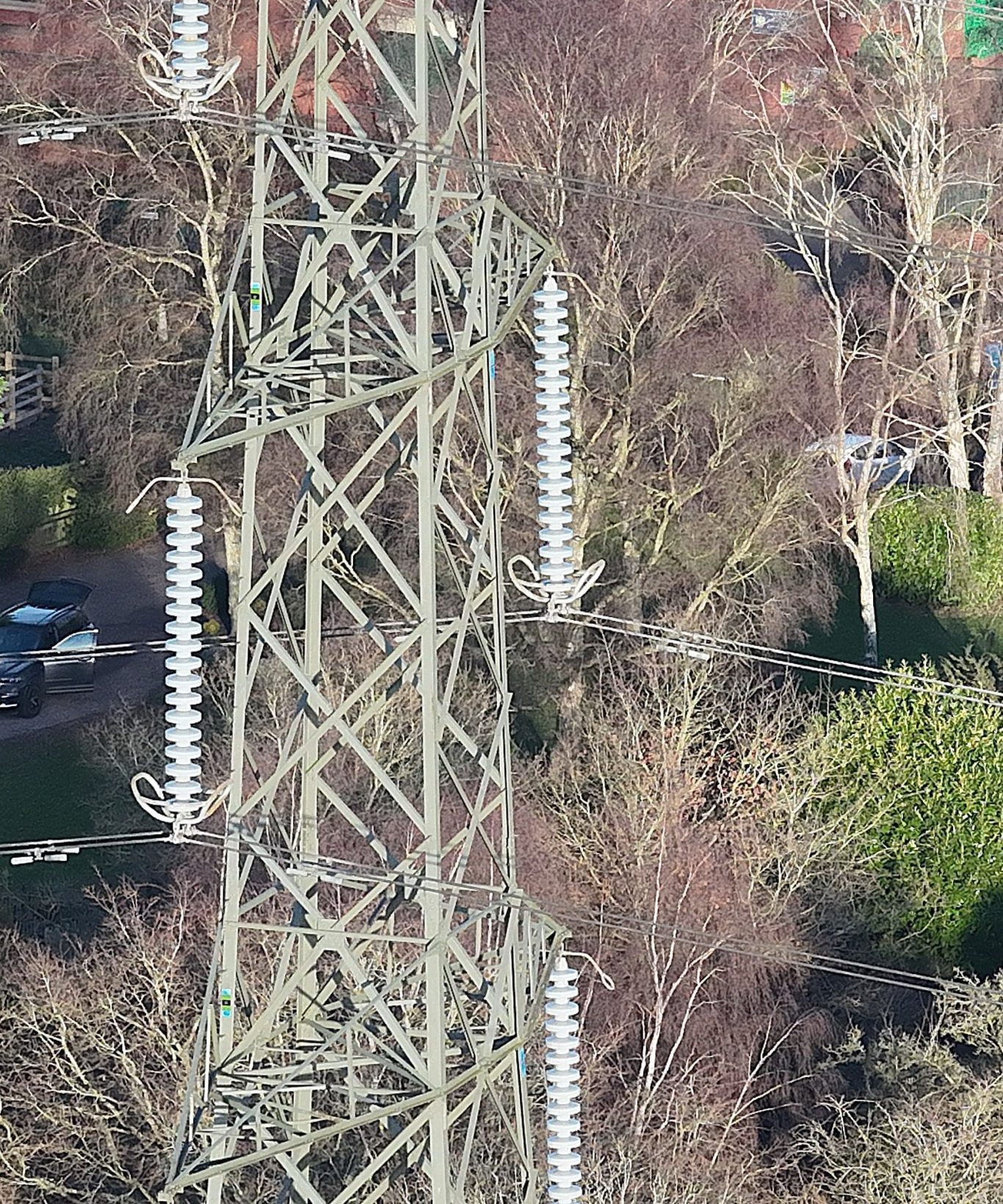
Unmanned Aerial Systems (UAS), are transforming how infrastructure inspections are performed across industries such as transportation, energy, construction, and utilities. By combining advanced sensors with aerial mobility, UAS deliver safer, faster, and more cost-effective inspection solutions.
Improved Safety: UAS eliminate the need for inspectors to work at height, over water, or near live traffic and hazardous equipment, significantly reducing risk to personnel.
Cost Efficiency: Drone inspections reduce or eliminate expenses associated with scaffolding, rope access, lane closures, and heavy equipment, lowering overall inspection costs.
Faster Data Collection: UAS can inspect large or hard-to-reach assets—such as bridges, towers, pipelines, and roofs—in a fraction of the time required by traditional methods.
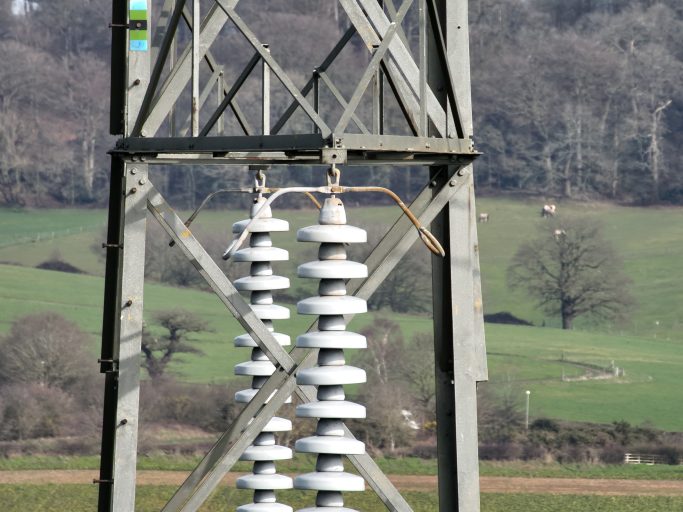
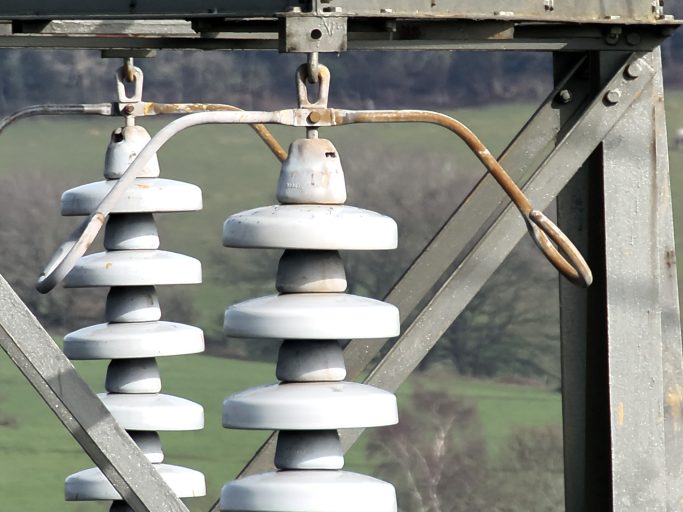
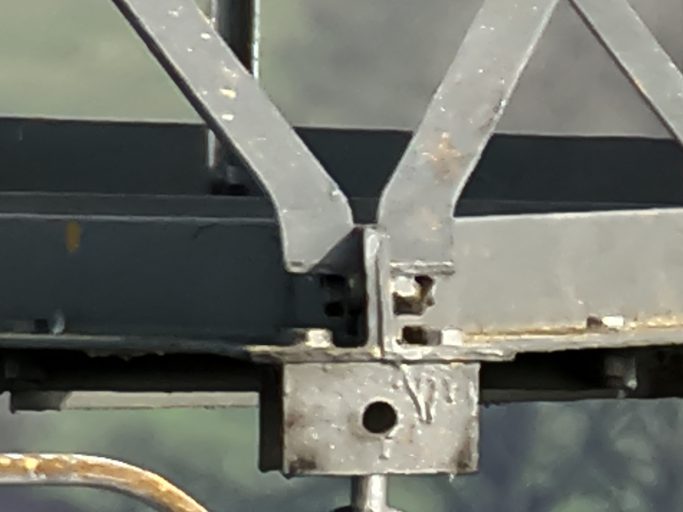
High-Quality Data: Equipped with high-resolution cameras, and thermal sensors, UAS capture detailed, repeatable data that supports accurate condition assessments and trend analysis.
Minimal Disruption: Inspections can be conducted with little to no interruption to traffic, operations, or surrounding communities.
Access to Difficult Areas: Drones easily reach confined, elevated, or remote locations that are challenging or impossible to inspect safely by hand.
Enhanced Documentation and Reporting: Digital imagery and georeferenced data enable better recordkeeping, easier collaboration, and informed maintenance planning.
By integrating UAS into inspection programs, organizations can improve safety outcomes, optimize resources, and make more data-driven decisions about infrastructure health and maintenance.
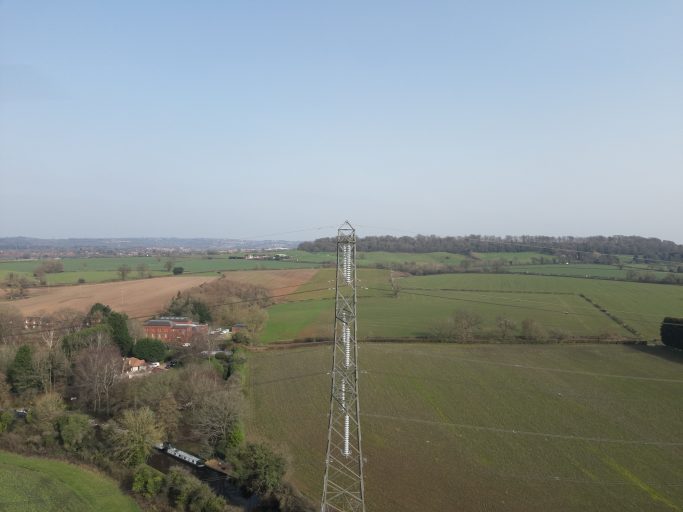
The example images on this page were taken at a distance of 55 meters from the pylon structure using the M30T aircraft